Why night and not morning?
Three reasons stack up. Lactic acid leaves skin more sensitive to ultraviolet for several days. Argireline needs hours of uninterrupted contact. And there is no sun filter in the formula, so wearing it through a Gulf afternoon means fading marks while making new ones. None of that is about a special night ingredient, because no such thing exists.
Where does the glow actually come from?
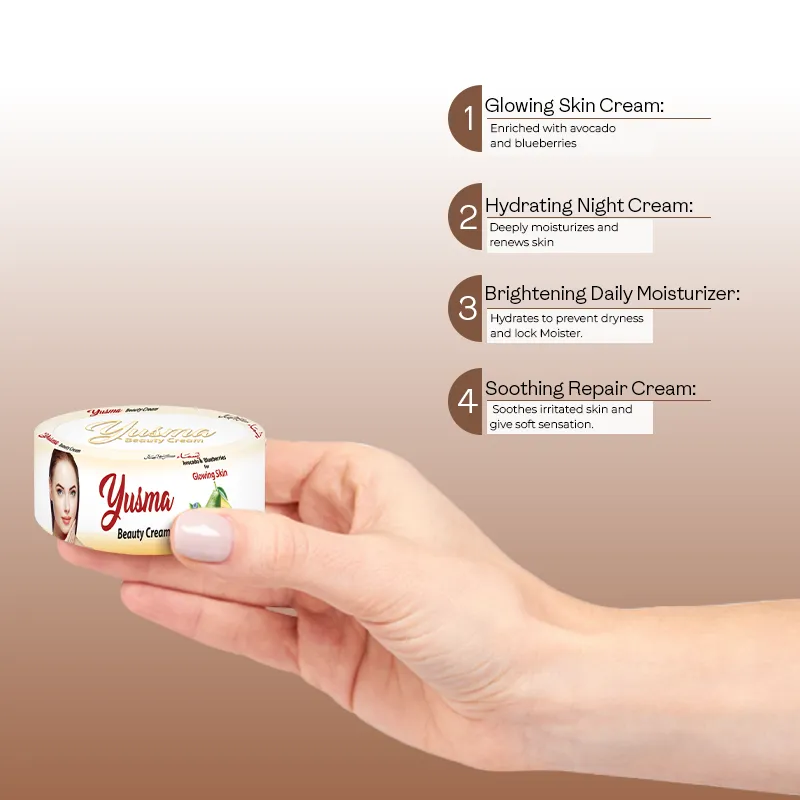
Two different places, on two different timescales. Within a couple of weeks, lactic acid loosening dead surface cells makes light bounce off your skin more evenly, and that reads as glow. Over months, the four tone ingredients slowly even out patchiness. The first effect stops when you stop; the second is the one worth waiting for.
Jar or tube — does it matter?
Only to you. The formula is identical. A jar is easier to scoop and better if you like to see how much is left; a tube keeps fingers out of the product, which matters slightly for a cream with an acid in it. If you are trying it for the first time, take the 23gm tube.
What changes first, and what takes longest?
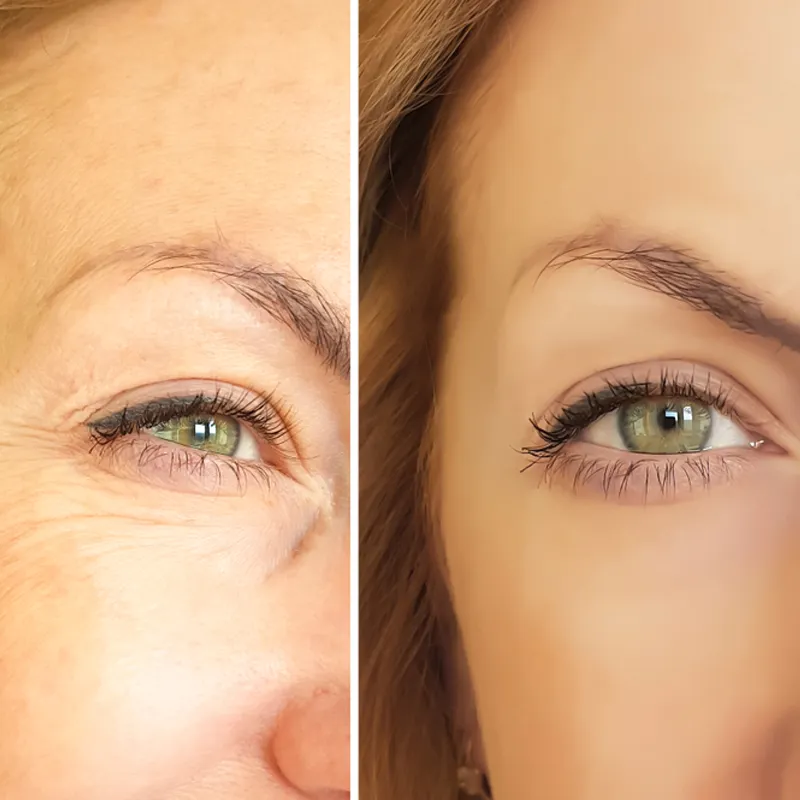
Texture first — most people notice smoother, brighter-looking skin within two to three weeks, which is the lactic acid. Overall evenness comes next, usually somewhere from six to twelve weeks. Older, deeper marks are last and may never go entirely. Anyone promising faster than that is selling you something.
Can I use it with a vitamin C or a retinol?
Not on the same night. This already contains an acid, and stacking it with a retinol is how people end up peeling. Alternate nights is the safe pattern. A vitamin C serum in the morning is fine and works well alongside it, as long as sunscreen goes over the top.
What if it tingles the first few nights?
A brief tingle in the first minute is normal with lactic acid and usually settles within a week or two. Stinging that lasts, or comes with redness and flaking, is not normal. Drop to twice a week, or stop for a few nights and restart more slowly.
Does it work on darker skin tones?
Yes, and the pigment ingredients here are the ones usually recommended for deeper tones because they slow pigment production rather than bleaching anything. The important part is the sunscreen. Darker skin marks readily after any irritation, so an acid without daily protection can leave you worse off.
Does avocado really do anything for skin?
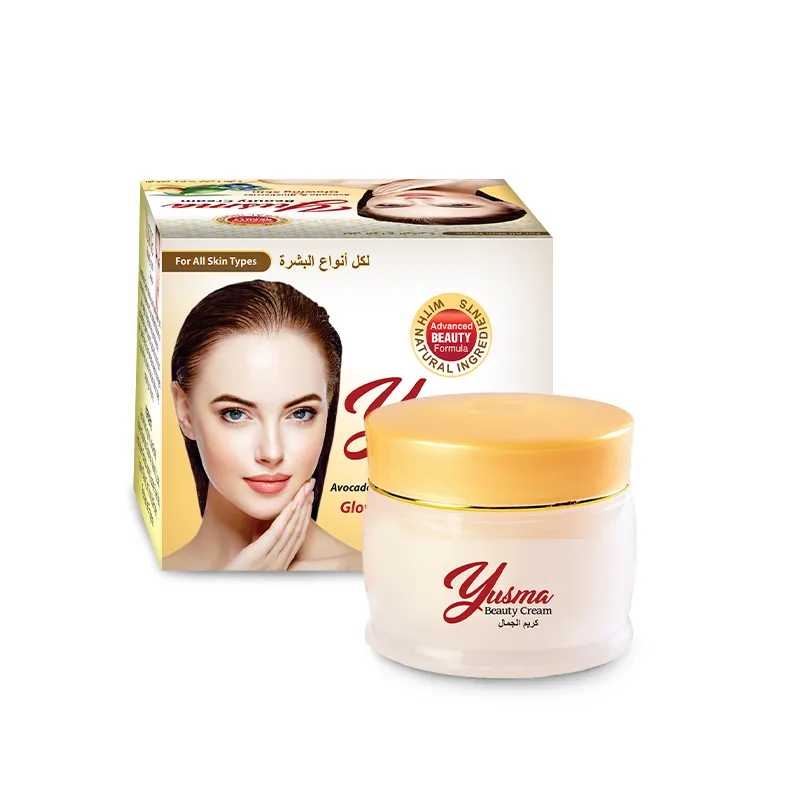
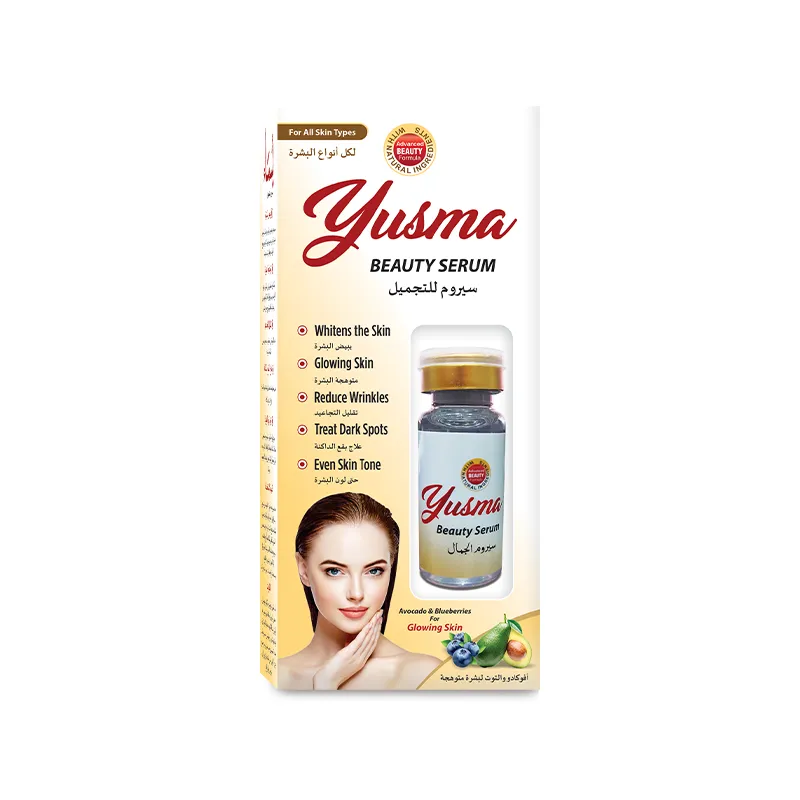
Avocado oil does — it is rich in oleic acid and genuinely softening. What is in this cream is avocado extract, sixth on a fourteen-item list, which is a much smaller and much weaker thing. Buy this for the four tone ingredients, not for the fruit on the front.


Skyler –
Very effective and best for everyday use
Amelia Clarke –
“I’ve been pleasantly surprised by this cream. It’s very lightweight and absorbs quickly, which I love. My skin feels softer and looks more even after using it for a couple of weeks. It’s also great value for money!”
Anna Kowalska –
I’ve been using this cream daily and I’m really impressed with how soft and smooth my skin feels now. It hydrates deeply without making my face oily, and I’ve noticed my skin tone looks more even and healthy. It gives a natural glow that I absolutely love.
Martina Novak –
This cream works beautifully on my skin. It calms redness and keeps my face moisturised all day. After a couple of weeks, my skin looks fresher, smoother, and more radiant. I also like that it doesn’t clog pores or feel heavy.
Elena García –
I love how gentle and effective this cream is. It has really helped improve my skin texture and reduced some small blemishes. My face feels soft, refreshed, and glowing every day. It’s perfect for daily use and gives a youthful, healthy look