Product categories
- Brands (58)
- Easy Fresh (9)
- Face Fresh (37)
- Yusma (12)
- Hair Care (1)
- HAIR OILS (1)
- Shop by Concern (53)
- Acne & Pimples (22)
- Dark Circles (7)
- Dark Spots & Pigmentation (34)
- Dull Skin & Glow (37)
- Freckles (3)
- Open Pores & Texture (14)
- Sagging & Skin Firmness (8)
- Scars & Stretch Marks (4)
- Uneven Skin Tone (26)
- Wrinkles & Anti-Ageing (20)
- Shop by Skin Type (57)
- Acne-Prone Skin (13)
- Combination Skin (28)
- Dry Skin (19)
- Mature Skin (6)
- Oily Skin (17)
- Sensitive Skin (9)
- Skincare (57)
- Skincare ingredient (54)
- Aloe Vera (19)
- Alpha Arbutin (24)
- Amla (1)
- Azelaic Acid (4)
- Collagen (5)
- Cucumber (2)
- Glutathione (15)
- Glycolic Acid (3)
- Hyaluronic Acid (19)
- Kojic Acid (20)
- Milk & Honey (10)
- Niacinamide (38)
- Retinol (3)
- Rice Water (1)
- Rose Water (4)
- Salicylic Acid (4)
- Shea Butter (6)
- Tea Tree Oil (4)
- Vitamin C (17)
- Vitamin E (25)
- Uncategorized (0)
Showing 1–16 of 57 resultsSorted by popularity
 Sale!
Sale!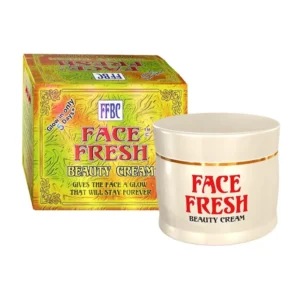 Sale!9.99$
15.99$38% OffAdd to cart This product has multiple variants. The options may be chosen on the product page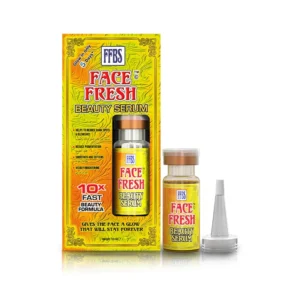 Sale!9.99$
15.99$38% OffAdd to cart This product has multiple variants. The options may be chosen on the product page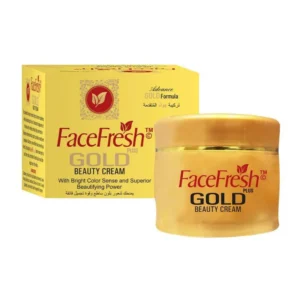 Sale!9.99$
16.99$41% OffAdd to cart This product has multiple variants. The options may be chosen on the product page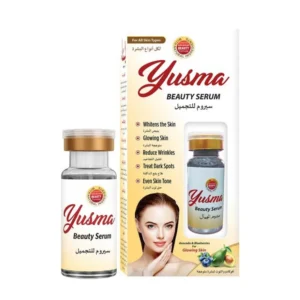 Sale!
Sale!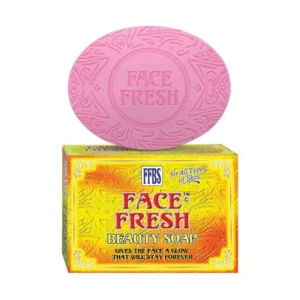 Sale!
Sale!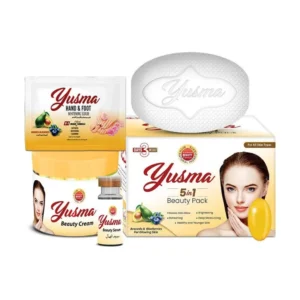 Sale!
Sale!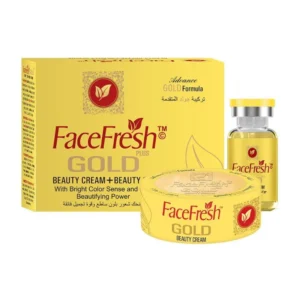 Sale!
Sale! Sale!
Sale! Sale!9.99$
16.99$41% OffAdd to cart This product has multiple variants. The options may be chosen on the product page Sale!7.99$
13.99$43% OffAdd to cart This product has multiple variants. The options may be chosen on the product page Sale!9.99$
16.99$41% OffAdd to cart This product has multiple variants. The options may be chosen on the product page Sale!
Sale! Sale!
Sale! Sale!
Sale! Sale!
Sale!
Most of what people search for as skin whitening products sits in two of the nine categories below: the creams and the serums. The rest clean, moisturise, or work on the body. Start from the job you need done rather than from the range name, and the choice gets a lot smaller.
The Nine Categories Do Three Jobs
Cleansers — the soaps and the face washes. These are designed to leave nothing behind. Their job is to take off oil, sunscreen and dust without leaving your skin tight afterwards.
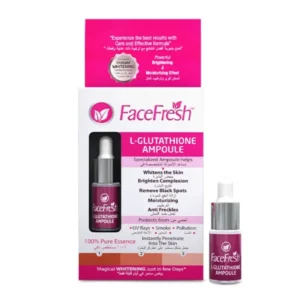
Leave-on treatment — the creams, the serums and the ampoules. These are the only products here that stay on your skin, which is why any ingredient meant to change something has to live in one of them.
Body and everything else — the body lotions, the body wash and hand wash, the scrub, the hair removal range and the multi-product packs.
A working routine is usually one product from each of the first two groups, plus something for the body if you need it. The basket we see most often in customer messages holds three products that all do the same job — a tone soap, a tone face wash and a tone cream — and nothing that holds water in the skin between them.
What the Tone Products Can and Cannot Change
The ingredients doing this work in our formulas are kojic acid dipalmitate, alpha arbutin, glutathione, niacinamide, azelaic acid and ascorbyl glucoside. Each one slows a different part of the pigment-making step, which is why several of them usually appear together on one ingredient list.
What they act on is a mark. A dark spot, the brown shadow left behind by an old pimple, a patch that came up after long sun exposure. They work on the extra pigment your skin has laid down in one place, not on the colour your skin is naturally — nothing here changes that, and no honest formula can.
Most people start to notice marks looking lighter somewhere between the fourth and the sixth week of daily use. That progress holds only while strong sun stays off the treated area; a few unprotected hours outdoors will put some of it back. If you want to know what the word printed on the front of a bottle is really telling you, we have a separate explanation of the vocabulary that covers it properly.
Deeper skin tones need one extra note. Skin that marks easily after a spot or a scratch will also mark after irritation from a product. If a cream stings, burns or leaves the area red for hours, stop using it — pushing through is how people end up with a darker patch than the one they started with.
What We Do Not Make
No product here carries a tested sun protection rating. Some of our formulas contain titanium dioxide, zinc oxide or octinoxate, which are genuine sun filters, but none of these products has been tested and rated as a sunscreen, and none of them should be used as one. Since sun is also the thing most likely to undo the work of everything on this page, sun protection needs to come from somewhere else. We would rather say that than sell you a cream as protection it has not been tested for.
One scrub, and it is made for hands and feet rather than for the face.
No oil-free facial moisturiser. Every lotion in the range is built on petrolatum or mineral oil, which suits dry body skin very well and suits an oily face much less.
Nothing for the eye area specifically, and nothing for hair except a single amla oil.
Where to Start, by What Your Skin Is Doing
Flat brown marks that you can see but not feel — the Gold Plus line is the one built for pigment that has settled in. The strongest cream we make carries three exfoliating acids alongside the tone ingredients.
Dullness with no single mark to point at — this is usually a surface and water problem rather than a pigment one. The single-ingredient ampoules let you add one thing at a time and see what your skin responds to.
Tightness, flaking or rough patches — start with the body lotions and moisturisers, in the largest size you will actually use often.
Shine that comes back within an hour of washing — the oily skin page explains why that happens and what changes it.
Skin that has lost firmness, or lines that have set — the mature skin section sorts the six products aimed at older skin by whether they work on marks or on lines.
No idea where to start — a multi-product pack is the cheapest way to find out, because the products inside it are chosen to be used together.
Questions We Get About the Range
If I have never used any of this, which category should I start in?
Creams. One leave-on product does more than three rinse-off ones, because it stays on your skin for hours instead of seconds. Pick the cream that matches your main complaint, use it nightly for six weeks, and add nothing else until you know what it did on its own.
Which part of the shop covers body skin rather than the face?
The body lotions category, plus the body wash and the scrub. Body skin is thicker, gets washed more often and receives far less product than facial skin, so it usually needs a bigger quantity rather than a stronger formula. The Gold Plus lotion is the one aimed at marks on arms and legs; the scrub is made for hands and feet.
Do you make anything for hair?
One oil, and two hair removal formats. The oil is a 200 ml amla oil for dry lengths and a flaky scalp. The hair removal creams and lotions are a separate part of the shop and are made to take hair off, not to condition it.
I am pregnant. Which ingredient lists should I take to my doctor?
Take the cartons themselves, or the ingredient list printed on each product page — they match. The two formats worth asking about first are the retinol ampoule and any cream carrying salicylic, glycolic or azelaic acid. This is a decision for your doctor or midwife rather than for a shop, and we would rather you asked before buying than after.
Why do some products appear under more than one category?
Because they answer to more than one question. A cream can sit under Creams because of what it is, under Dark Spots because of what it treats, and under Mature Skin because of who it suits. It is the same product and the same page each time. If you are browsing by format, use the nine product categories; if you are browsing by problem, use the concern or skin type sections.
How should these be stored, and do they go off?
Keep them out of direct sun and away from heat — a bathroom shelf away from the window is fine, a car or a windowsill is not. Heat separates creams and weakens vitamin C and retinol faster than anything else. Close ampoules tightly; a 5 ml bottle left open loses more to evaporation than you would expect.