Search “skin whitening cream” and you get a shelf: dozens of jars, no help choosing between them. Face Fresh makes twelve, across three ranges, and each one is built to do a different job — some for overall tone, some for a specific dark patch, some for texture, one for scars. This page is the shortcut. Work out what your skin needs first, then go straight to the cream built for it.
Which Cream Should You Pick?
Twelve creams, one question each: what is your skin actually asking for?
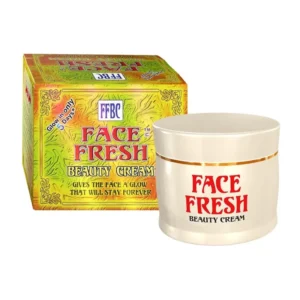
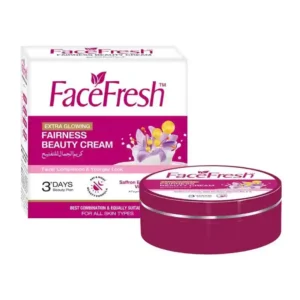
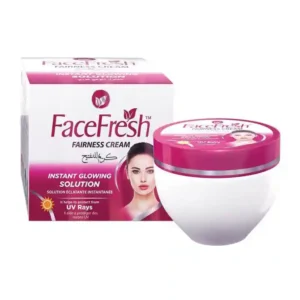
- New to whitening creams and want the original formula. Face Fresh Fairness Cream (jar 70g or tube 25g) is the range’s flagship — a daily, whole-face tone cream and the simplest place to start.
- Dealing with a stubborn dark patch, not just overall dullness. Fairness Beauty Cream (23g) leans on glutathione for pigmentation that a daily cream alone hasn’t shifted.
- Want a visible glow today, not just a slow change. Beauty Cream (30g, 23g or 7g) brightens on contact from light-reflecting minerals, while its tone actives work underneath over months.
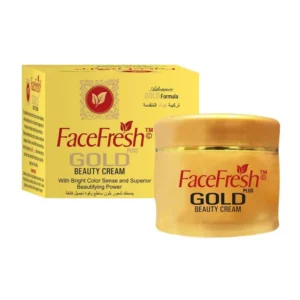
- Have texture, open pores or fine lines alongside tone. Face Fresh Gold Beauty Cream (230g, 30g or 23g) carries three exfoliating acids — a few nights a week, never stacked with another exfoliant.
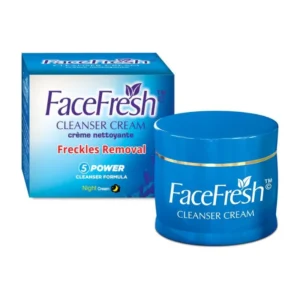
- Prefer a rinse-off treatment to a leave-on cream. Cleanser Cream (23g or 7g) is a cold-cream formula you can rinse off or leave on, whichever your skin wants that day.
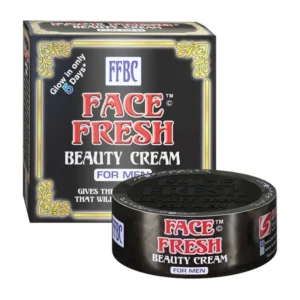
- Shaving regularly and dealing with what that does to skin. Men Beauty Cream (23g) is built around the mechanical exfoliation shaving causes, not just marketed at men.
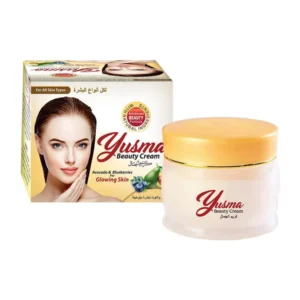
- Building a proper night routine. Yusma Beauty Cream (30g or 23g) is formulated to work while skin repairs overnight and carries no sun filter — it isn’t a day cream.
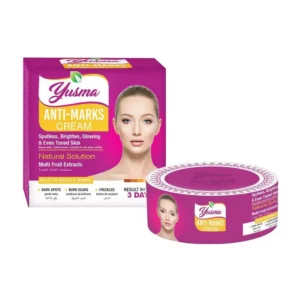
- Covering marks from an injury, not stretching. Yusma Anti Marks Cream (23g) targets colour and texture from cuts, burns or old acne — a different job to a stretch-mark formula.
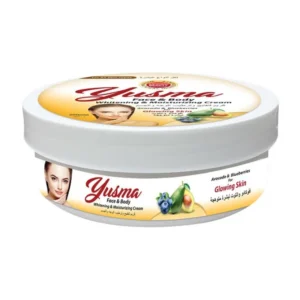
- Treating rough, darker patches on elbows, knees or knuckles. Yusma Face & Body Whitening & Moisturizing Cream (225g) is sized and built for friction zones, not head-to-toe coverage.
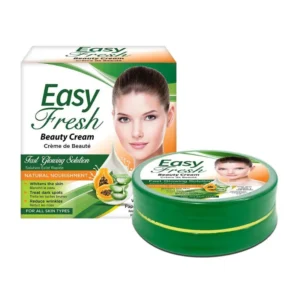
- Skin that’s dry, not dehydrated. Easy Fresh Beauty Cream (18g) has no humectants — it replaces missing oil rather than trying to draw in water.
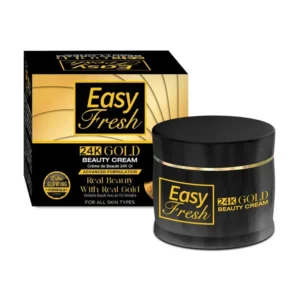
- Wanting a brighter look for a special occasion. Easy Fresh 24K Gold Beauty Cream (30g or 18g) works on tone; treat “firming” on the label as marketing, not a texture change.
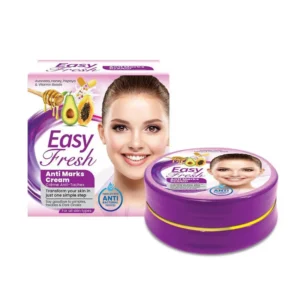
- Fading marks on the body, away from the eye area. Easy Fresh Anti Marks Cream (18g) is built for placement on the body and the flat of the face — not under the eyes, where its retinol doesn’t belong.
Face Whitening Cream or Body Cream: Which Jar Goes Where
Most of these creams are made for the face, and the jar sizes give it away. A face whitening cream comes in 7g to 30g because a pea-sized amount covers the whole face. A lightening cream for body use needs to cover far more skin, which is why the body formats come in large tubs.
- Face: Face Fresh Fairness Cream, Beauty Cream, Fairness Beauty Cream, Yusma Beauty Cream, Men Beauty Cream and the Easy Fresh face creams. Use a thin layer and keep away from the eyes.
- Body: the Yusma Face & Body Whitening & Moisturizing Cream (225g) is the one built for elbows, knees, knuckles and underarms. For larger areas, a lotion spreads further than any cream; our body lotions include tone formulas.
- Marks on the body: the two anti marks creams, used only on the marked area.
Body skin is thicker and renews more slowly than facial skin, so a skin lightening cream for body areas needs longer, usually three months or more, before you judge it. Friction from tight clothes and shaving keeps re-darkening these areas, so softer fabrics and a gentle razor help as much as the cream.
How to Tell a Safe Skin Lightening Cream from a Dangerous One
Some creams sold for fast whitening contain ingredients that can cause real harm. Before you buy any skin lightening cream, from any brand, check that it has a full ingredient list on the pack, and that none of these appear on it:
- Mercury, sometimes listed as calomel, mercurous chloride or mercury iodide. It is banned in skin creams in many countries and can damage the kidneys and nerves.
- Hydroquinone sold without a prescription. In many countries it is a prescription-only medicine because of the risk of lasting dark staining.
- Strong steroids such as clobetasol or betamethasone. They lighten quickly by thinning the skin, and can cause stretch marks, acne and broken veins.
Warning signs are a cream that promises dramatic results in days, has no ingredient list, or makes the skin noticeably thinner, redder or shinier. None of the Face Fresh creams contains any of these, and every product page shows the full ingredient list. Our About Us page explains how to check that your pack is original.
How to Use a Whitening Cream for the Best Results
- Patch test first. Apply a little behind the ear or on the inner arm for two nights.
- One tone cream at a time. Layering two whitening creams raises the risk of irritation without speeding anything up, and irritated skin can darken.
- Thin layer, on clean, dry skin, once a day unless the product page says otherwise. Creams with acids or retinol start on two or three nights a week.
- Sunscreen every morning. No Face Fresh cream has a tested SPF. Without sunscreen, daylight keeps making new pigment and undoes the work.
- Judge it at twelve weeks with photos taken in the same daylight. Marks fade slowly, and day-to-day mirrors are misleading.
For marks that do not move after three months of steady use, our dark spots and pigmentation page explains what else helps and when to see a dermatologist.
FAQs
What actually separates your creams besides the packaging?
Mostly the active ingredients and the job each one is built for — some lean on acids for texture, some on glutathione or arbutin for tone, one on retinol for marks. Match your concern to the list above.
Can I use two Face Fresh creams together?
Usually no — most are leave-on treatments meant to work alone. A few have a matching serum designed to pair with them; check the individual product page before combining two tone creams.
How long before a whitening cream shows a real difference?
Most people notice a change in overall tone after four to eight weeks of daily use. Dark patches and marks usually take longer, and the effect fades if you stop.
Will any of these change my natural skin colour permanently?
No. They work on surface tone, pigmentation and texture. None of them alter your underlying skin colour, and any product claiming a permanent change should be treated with caution.
Is “whitening” the same thing as “brightening”?
Not quite. Brightening usually means a fresher, more even complexion; whitening on these labels targets visible dark patches and overall tone. Several of our creams do both.
I’ve never used one of these creams before — where do I start?
Face Fresh Fairness Cream is the range’s original formula and the simplest starting point for daily use. If you have a specific concern, the list above points you somewhere more targeted.
Can I use a face whitening cream on my body?
Yes, on small areas such as elbows or knuckles, but it is an expensive way to cover a large area and a face jar runs out quickly. For bigger areas, use a body cream or lotion built for it. Keep creams with acids or retinol off freshly shaved or broken skin.
Is it safe to use a skin lightening cream every day?
Most of our tone creams are made for daily use once your skin is used to them, usually at night. Creams with exfoliating acids or retinol are the exception and start a few nights a week. Stop if you get lasting redness, burning or peeling, and use sunscreen every morning.
Found your match? Its product page has the full ingredient list, honest timeframes and exactly how to use it — no guesswork required.