Product categories
- Brands (57)
- Easy Fresh (9)
- Face Fresh (36)
- Yusma (12)
- Hair Care (1)
- HAIR OILS (1)
- Shop by Concern (50)
- Acne & Pimples (20)
- Dark Circles (7)
- Dark Spots & Pigmentation (33)
- Dull Skin & Glow (35)
- Freckles (3)
- Open Pores & Texture (12)
- Sagging & Skin Firmness (7)
- Scars & Stretch Marks (4)
- Uneven Skin Tone (25)
- Wrinkles & Anti-Ageing (20)
- Shop by Skin Type (37)
- Acne-Prone Skin (12)
- Combination Skin (10)
- Dry Skin (11)
- Mature Skin (2)
- Oily Skin (13)
- Sensitive Skin (6)
- Skincare (57)
- Anti Aging (0)
- Beauty & Whitening Creams (12)
- Beauty & Whitening Soaps (9)
- Beauty Packs & Combos (3)
- Body Lotions & Moisturisers (6)
- Body Wash & Hand Wash (2)
- Dark Spots (2)
- Even Skin tone (0)
- Face Wash & Cleansers (8)
- Glowing Skin (0)
- Hair Removal Cream & Lotion (3)
- Scrubs & Exfoliators (1)
- Serums & Ampoules (12)
- Skincare ingredient (52)
- Aloe Vera (18)
- Alpha Arbutin (23)
- Amla (1)
- Azelaic Acid (4)
- Collagen (5)
- Cucumber (2)
- Glutathione (14)
- Glycolic Acid (3)
- Hyaluronic Acid (18)
- Kojic Acid (19)
- Milk & Honey (10)
- Niacinamide (37)
- Retinol (3)
- Rice Water (1)
- Rose Water (4)
- Salicylic Acid (4)
- Shea Butter (6)
- Tea Tree Oil (3)
- Vitamin C (16)
- Vitamin E (24)
- Uncategorized (0)
Azelaic Acid
Most brightening ingredients lighten everything they touch. Azelaic acid mostly does not, and that single difference decides whether an azelaic acid serum for dark spots is the right thing for you or a slow disappointment.
It acts hardest on pigment cells that are overactive and largely leaves ordinary ones alone. So it fades a discrete mark without bleaching the skin around it — which is excellent if you have four dark spots on otherwise even skin, and close to pointless if what you want is your whole face a shade lighter.
Showing all 4 resultsSorted by popularity
 Sale!9.99 $
16.99 $41% OffAdd to cart This product has multiple variants. The options may be chosen on the product page- Sale!
- Sale!9.99 $
15.99 $38% OffAdd to cart This product has multiple variants. The options may be chosen on the product page - Sale!
Where azelaic acid comes from
Azelaic acid is a dicarboxylic acid found naturally in barley, wheat and rye. It is also produced on human skin by Malassezia, the yeast that lives on almost everyone, and that is how it was noticed in the first place — dermatologists studying pale patches on the skin of people with a Malassezia overgrowth traced the pigment loss back to a compound the yeast was making.
That origin story is not trivia. It explains the ingredient's whole character: it is a mild, naturally occurring compound that interferes with pigment production, discovered because it was already doing so on real skin, and it has been studied since for both pigmentation and inflammatory spots.
Why it acts on some pigment cells and not others
Melanin is made by melanocytes using an enzyme called tyrosinase. Azelaic acid inhibits that enzyme — but it does so preferentially in melanocytes that are abnormally active, which is what a sun spot or a post-acne mark is made of, and much less in the ordinary melanocytes producing your baseline colour.
That is the opposite of how a general brightener behaves. A broad tone active works everywhere it lands, so a mark fades and the skin next to it lightens too, and the contrast closes from both directions. Azelaic acid narrows the gap mostly from one side.
Two practical consequences follow. The first is that azelaic acid rarely produces the pale halo around a treated area that overuse of stronger agents can cause. The second is that if you look in the mirror after eight weeks expecting a brighter face, you will not see one — you should be looking at the marks themselves, individually, against the skin beside them.
Count your marks before you buy
This is the sort that decides the purchase, and it takes ten seconds in good daylight.
- One to about six discrete brown marks on skin that is otherwise fairly even. This is azelaic acid's territory. It will work slowly, quietly, and without changing anything you did not ask it to change.
- Redness, flushing, or the small bumps that come with it, alongside the marks. Still azelaic acid — the anti-inflammatory half of its action is the reason dermatologists reach for it in rosacea.
- Widespread unevenness, dullness across the whole face, or a general wish to be lighter overall. Wrong ingredient. You want the range's broader tone actives, and the dark spots and pigmentation page sorts those by cause.
- A large flat patch across the cheeks or upper lip that darkens in summer. That is likely melasma, which is stubborn, hormonally driven and worth a dermatologist rather than a serum.
The redness half of the job
Azelaic acid does two things at once, and people who buy it for pigment often report the second one first.
It calms inflammation. Redness around a healing spot settles, and the surrounding skin looks less angry, usually within two to three weeks — well before any pigment change is visible. It also has mild antibacterial activity against the organisms involved in acne, though it is not an acne treatment and should not be bought as one.
This is why azelaic acid is such a sensible ingredient for the specific situation of skin that keeps breaking out and keeps being left marked. It works on both ends of that cycle in one step.
Strength, and why nobody prints it here
Prescription azelaic acid is dispensed at fifteen or twenty per cent. Cosmetic products sit lower, and most do not say how much lower.
Face Fresh is in that second group. None of the three products containing it declares a figure, so we cannot tell you where they sit, and the Easy Fresh Beauty Serum page is direct about what that means for how long a course actually takes. Read that page before you decide the ingredient is not working for you — the usual mistake is judging azelaic acid at four weeks, when the published work runs to twelve or sixteen.
Which Face Fresh product fits
Three products in the range contain azelaic acid, and they are not interchangeable.
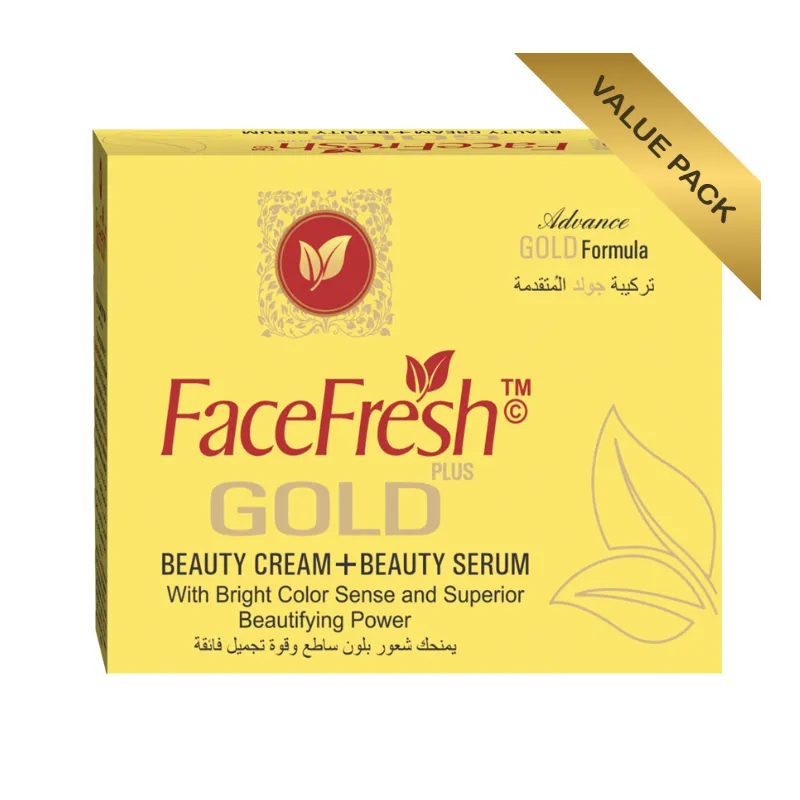
- Easy Fresh Beauty Serum 3ml — the thinnest, cheapest way to find out whether azelaic acid suits your skin. Goes on before anything else. Its own page explains honestly how far 3ml goes.
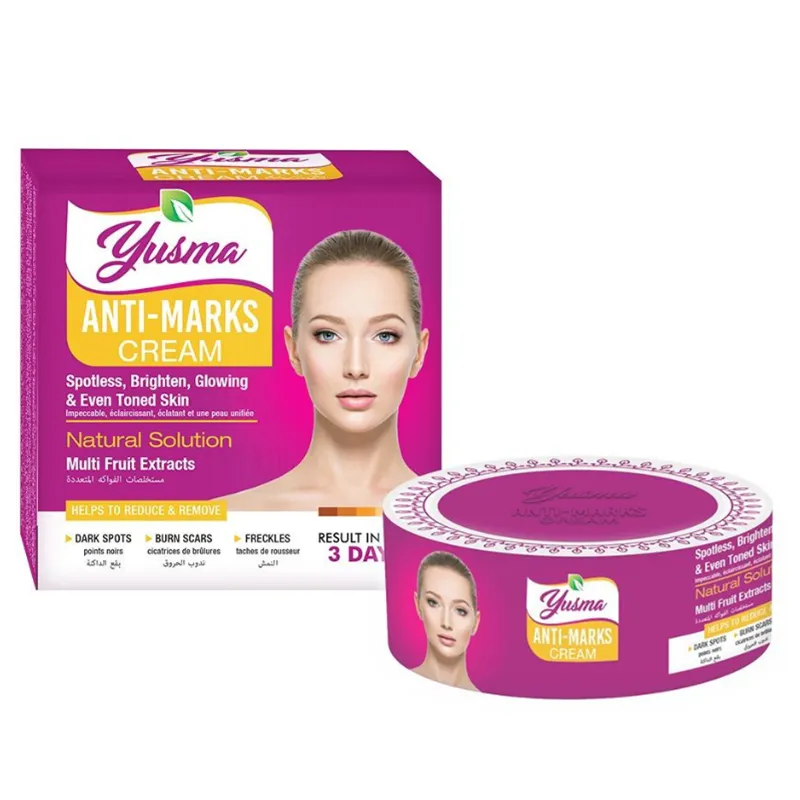
- Yusma Anti Marks Cream — azelaic acid alongside salicylic acid and a retinol, for marks left by spots. Not for anyone pregnant, trying to conceive or breastfeeding, because of the retinol.
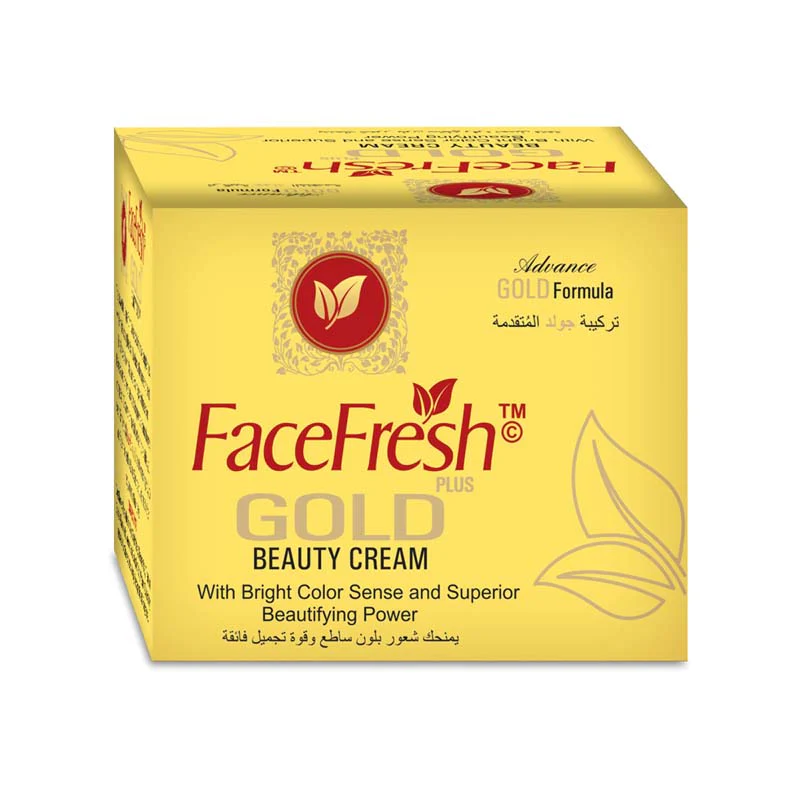
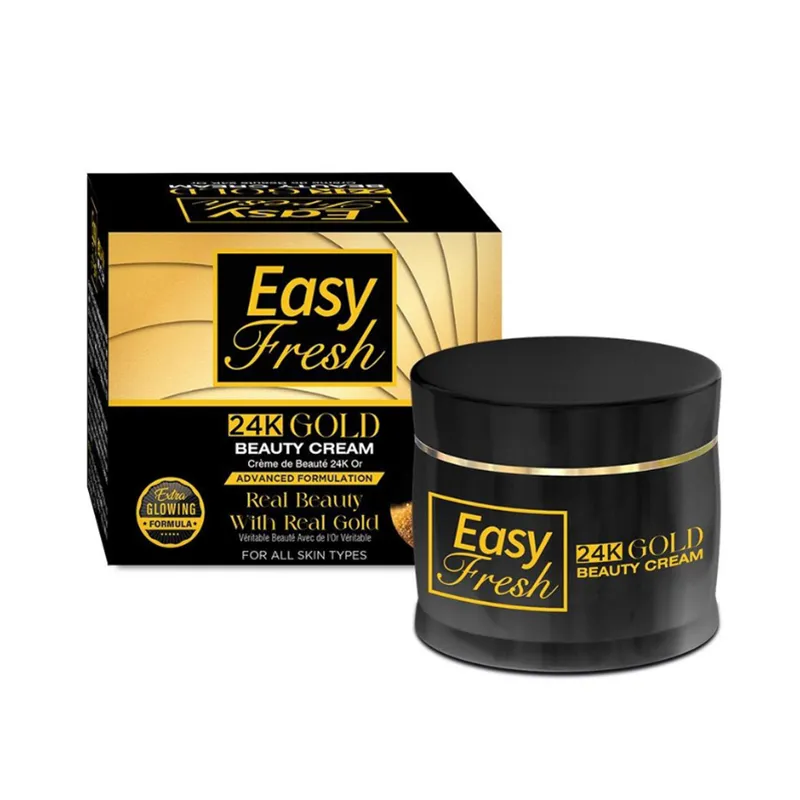
- Easy Fresh 24K Gold Beauty Cream — azelaic acid inside a richer tone cream, for people who want it as part of a daily moisturiser rather than as a separate step.
The honest limitation, stated once more because it is the thing most likely to disappoint you: azelaic acid will not lighten your overall skin tone, and it is slow even on the marks it does address. If either of those is a dealbreaker, buy something else and we would rather tell you now than in ten weeks.
FAQs
Will azelaic acid make my whole face lighter?
No, and that is by design. It acts mainly on overactive pigment cells, so it fades discrete marks while leaving your baseline colour alone. For overall tone, you want different ingredients.
How is it different from kojic acid or arbutin?
Those act broadly across all pigment cells, so they lighten marks and surrounding skin together. Azelaic acid is selective, which makes it slower on overall tone and safer against patchy results.
Does azelaic acid have to be used at night?
No. Unlike an alpha hydroxy acid, it does not raise sun sensitivity, so daytime use is fine and twice daily is what the published work is based on. Sun protection still matters for the pigment.
It tingles for a minute after I put it on. Is that a problem?
Not usually. A warm, prickling minute is common in the first fortnight and settles as skin adjusts. Burning that outlasts that, or redness the next day, means alternate days or stop.
Is it safe during pregnancy?
Azelaic acid itself is generally considered one of the safer options, which is why it is often suggested when retinoids are ruled out. Check the whole product, though, not just the one ingredient.
Does niacinamide interfere with azelaic acid?
No, they suit each other. Niacinamide acts on how pigment moves up to the surface; azelaic acid acts on how much is made in the first place. Different points in the same process.
How long until I see something?
Redness usually settles at two to three weeks. Mark fading is much slower — most published work runs twelve to sixteen weeks of consistent twice-daily use before judging the result.
Why does the packaging spell it Azealic Acid?
That is a printing error on our side, not a different ingredient. The correct spelling is azelaic acid, and we have flagged it for correction on the next print run.
If you have a handful of dark marks and want to find out cheaply whether azelaic acid suits you, start with the Easy Fresh Beauty Serum.